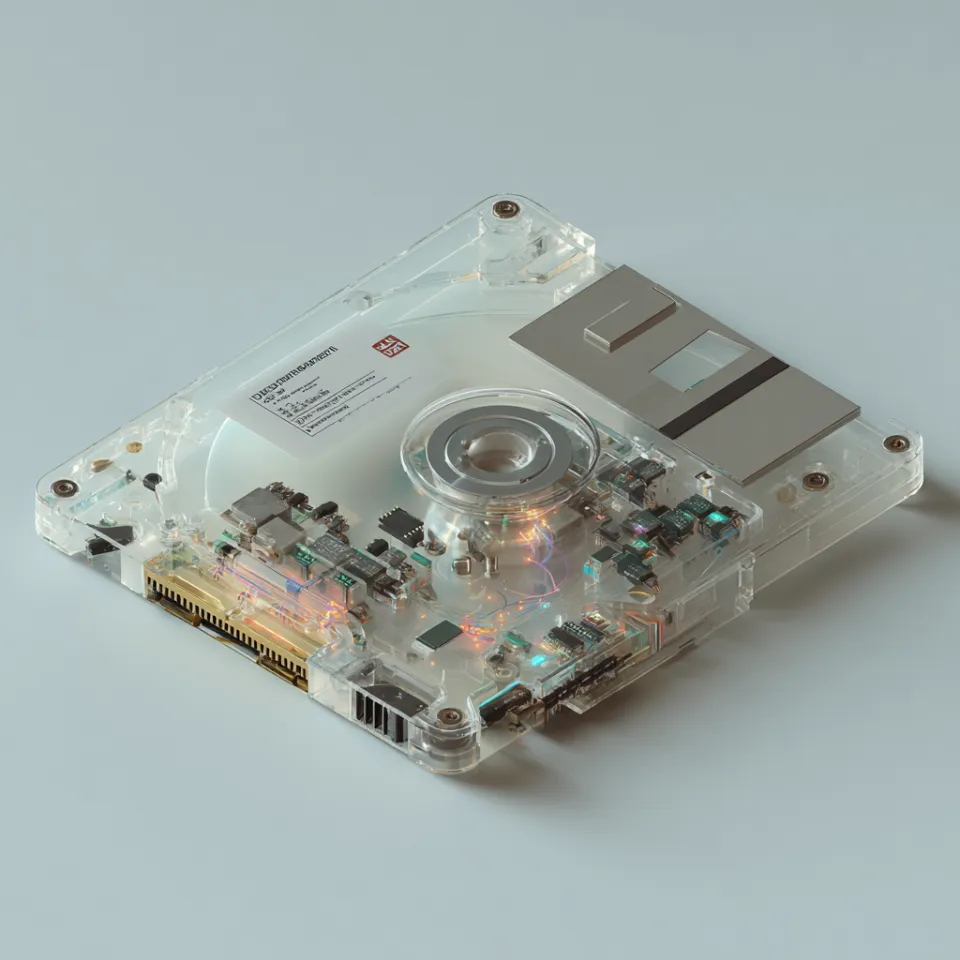

Logic Patterns In Practice

Real-World Inputs

Inputs must be accurately mapped to practical functions. We study business requirements and operational data to construct logical workflows that can be traced and evaluated.

Eliminate Unclear Outputs

Unexpected results are logged and reviewed. By distinguishing edge cases, our structure reduces ambiguity in how your application behaves.

Application development diagram
Application Logic

From Complexity to Clarity

Clear logic in applications is rarely about clever shortcuts—it is about traceable decisions from start to finish. Systematizing workflows helps reduce unknown variables and supports collaboration.

Design principles are measured through test cases and error logs. We explore frameworks that allow unpredictable outcomes to be quickly addressed using clear documentation and feedback cycles.


Project Showcases in Logic Application

Making Logic Adaptive

Logic development is not about memorizing abstract theories—it’s about linking requirements to practical coding steps. Every refinement should be measured by reduced error rates, test coverage, and integration success. We approach each case by challenging assumptions, questioning ambiguous outputs, and iterating systems for traceable improvements. This method helps teams prevent recurring mistakes and document best practices. Adaptability comes not from rigid adherence, but from examining every input–output pairing and ensuring data integrity at every turn. While outputs can’t be promised, outcomes are supported by rigorous peer review and incremental releases—always measuring what can be measured, and clarifying the unknown.

Measured Application Logic Features

Each capability addresses both inputs and outcomes for logical transparency

Workflow Documentation

Operational steps recorded in detail allow for objective assessment of flow and predictability—reducing misunderstandings and manual errors.

Modular Build Structure

Smaller code blocks isolate bugs and allow adjustments. This supports measured growth and repeatable deployment cycles from input to output.

Test-Centric Design

Automated and manual checks verify that logic holds true at every iteration. We never claim flawlessness—every system is a work in progress.

Data Connection Control

Strong linkage between logic and data storage reduces risk of bottlenecks. We validate each step using input logging and result reviews.

Working Code, Visible Results

Our process is designed to reveal strengths—not hide problems

Error Rate Tracking

We track recurring problems using error logs, making improvement a process, not a guess.

Versioned Improvements

Track each iteration’s impact on speed and stability, not just code changes.

Team Collaboration

Shared tools for code reviews focus on transparency between contributors.

Objective Milestone Reviews

Each project milestone is justified by measurable progress—not opinion.